


The Future of AI in Education and Its Impact on Students
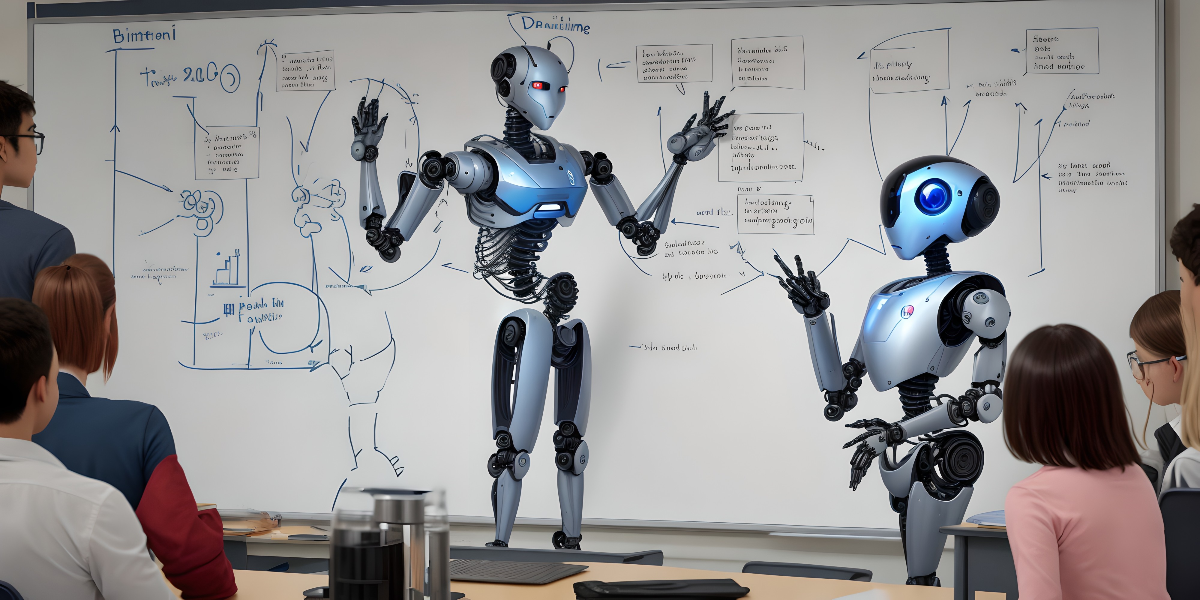
The integration of artificial intelligence (AI) in education is transforming the way students learn and teachers teach. Institutions like Aliz College are increasingly recognizing the importance of adopting advanced technologies to create smarter and more efficient learning environments. AI is not only enhancing academic experiences but also preparing students for a future where technology plays a central role in every field. From personalized learning to intelligent tutoring systems, AI is reshaping modern education in remarkable ways.
Understanding AI in Education
Artificial intelligence in education refers to the use of smart technologies that can analyze data, adapt to student needs, and automate various academic processes. These tools include AI-powered learning platforms, virtual assistants, automated grading systems, and intelligent content recommendations. By using these technologies, educational institutions can provide a more customized and efficient learning experience for students.
Personalized Learning Experience
One of the most significant benefits of AI in education is personalized learning. AI systems can track student progress, identify strengths and weaknesses, and tailor lessons accordingly. This allows students to learn at their own pace, ensuring better understanding and retention of concepts. Personalized learning helps students overcome challenges more effectively and boosts their overall academic performance.
Enhanced Student Engagement
AI-driven tools make learning more interactive and engaging. Features such as gamification, virtual simulations, and adaptive quizzes keep students interested and motivated. Instead of traditional passive learning, students actively participate in their education, which improves their focus and enthusiasm for learning.
Smart Assistance for Teachers
AI not only benefits students but also supports teachers in managing their workload. Automated grading systems, attendance tracking, and performance analysis tools allow teachers to focus more on teaching rather than on administrative tasks. AI can also provide insights into student performance, helping teachers design better lesson plans and teaching strategies.
Bridging Learning Gaps
AI helps identify learning gaps at an early stage and provides targeted solutions to address them. Students who struggle with specific subjects can receive additional support through AI-based tutoring systems. This ensures that no student is left behind and promotes equal learning opportunities for everyone. The importance of Quality Education in Pakistan is closely connected to such advancements, as modern technologies can significantly improve educational standards across the country.
Preparing Students for the Future
As AI becomes a major part of various industries, students need to develop digital and technical skills to stay competitive. Exposure to AI-based learning tools helps students become familiar with modern technologies and enhances their problem-solving abilities. This prepares them for future careers in a technology-driven world.
Challenges and Considerations
Despite its many advantages, the implementation of AI in education also comes with challenges. Issues such as data privacy, lack of infrastructure, and the need for proper training must be addressed. Educational institutions must ensure that AI is used ethically and effectively to maximize its benefits.
Conclusion
The future of AI in education is promising, offering numerous opportunities to enhance learning and teaching experiences. It has the potential to make education more accessible, personalized, and efficient for students worldwide. Institutions like Aliz College are embracing these changes to stay ahead in the evolving educational landscape. To explore more insightful articles and updates, visit our blog section and stay informed about the latest trends in education
Share on Social Media
Recommended For You













Readers Also Viewed These Articles
Categories
- Education
- General knowledge