


How Social Media Affects Students' Academic Performance
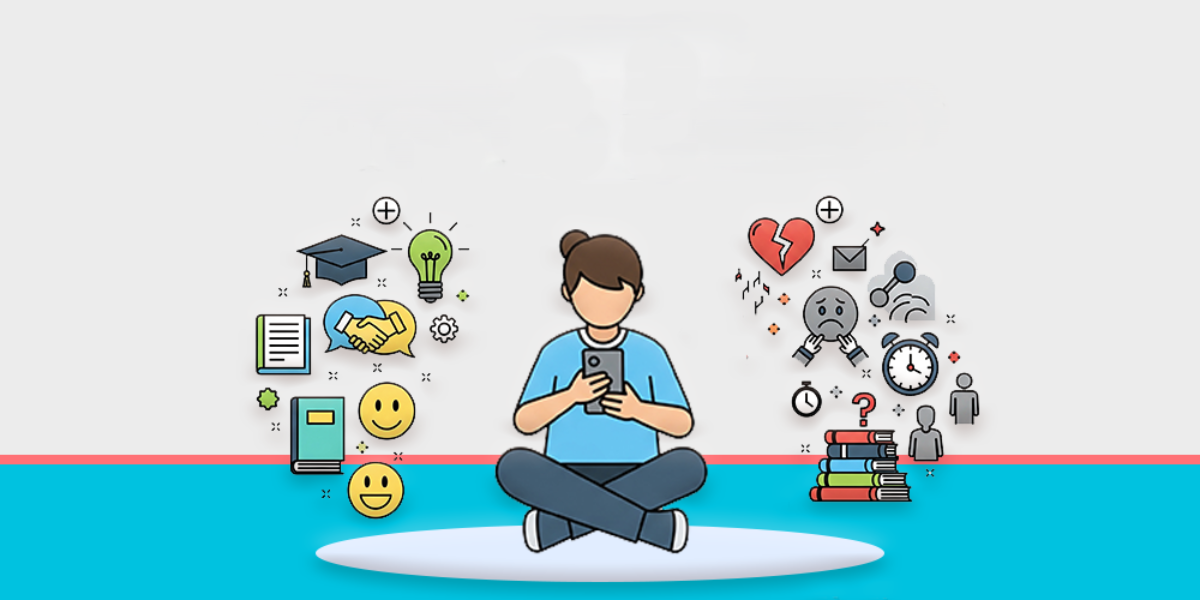
In today’s digital world, social media has become an important part of students’ daily lives. Platforms like Facebook, Instagram, TikTok, Snapchat, and YouTube allow students to communicate, share ideas, and stay updated with trends around the world. While social media offers many benefits, it also has a significant impact on students’ academic performance. The effect can be positive or negative depending on how students use these platforms.
Educational institutions are now focusing on helping students maintain a balance between online activities and studies. Aliz College also encourages students to use technology responsibly for educational growth and personal development.
The Positive Effects of Social Media on Students
Social media can improve learning when used correctly. Students can join educational groups, watch tutorial videos, attend online discussions, and access study materials easily. Many teachers and educational organizations share valuable content on social platforms that helps students improve their understanding of subjects.
Students can also communicate with classmates and teachers for assignments, projects, and exam preparation. Educational channels on YouTube and academic communities on Facebook provide free learning resources that support students in their studies.
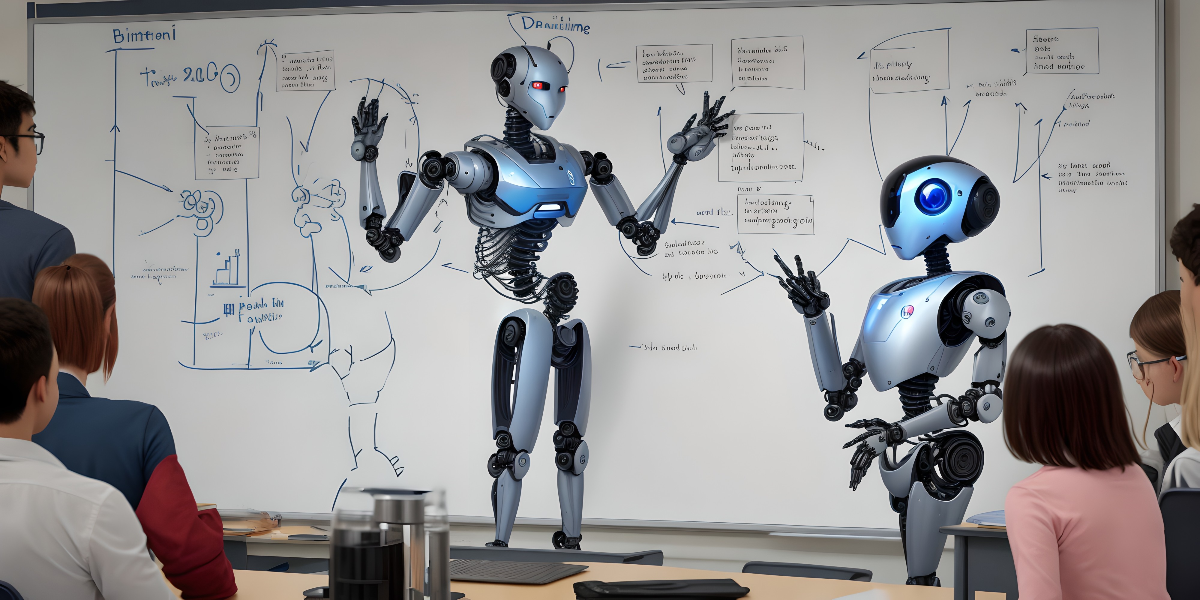
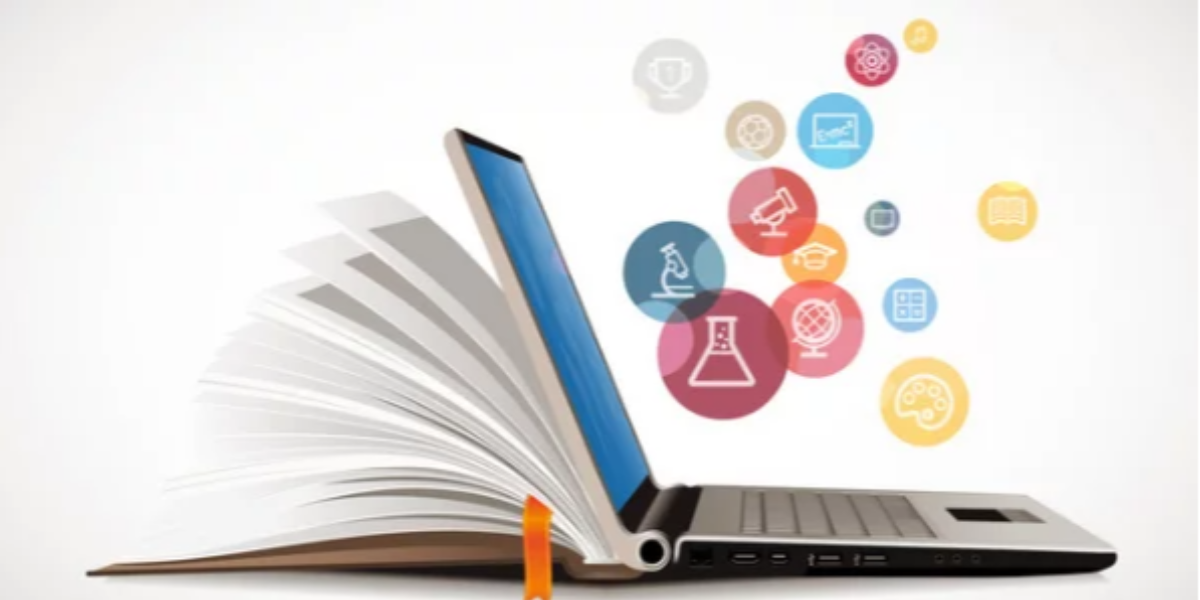
Modern technology and AI are also changing the educational system rapidly. The article The Future of AI in Education explains how digital innovation is shaping modern classrooms and improving learning experiences for students.
Research also shows that AI and digital tools are transforming personalized learning and helping students access educational content more efficiently.
The Negative Effects of Social Media on Academic Performance
Although social media has advantages, excessive use can negatively affect academic performance. Many students spend hours scrolling through social apps instead of focusing on their studies. This can lead to poor concentration, reduced productivity, and lower grades.
Social media addiction often causes students to lose valuable study time. Notifications, videos, and online chats can distract students during classes and homework sessions. Some students also stay awake late at night using social media, which affects sleep quality and reduces focus in school or college.
Studies and educational experts have highlighted that overdependence on AI and digital platforms may reduce critical thinking and learning abilities if not used carefully.
Social Media and Mental Health
Another major concern is the impact of social media on students’ mental health. Constant comparison with others, cyberbullying, and online pressure can increase stress and anxiety among students. Mental health challenges directly affect academic performance because students may struggle to focus on their studies.
However, responsible use of social media can also provide emotional support through motivational content, educational communities, and communication with friends.
Tips for Students to Use Social Media Wisely
Students can improve their academic performance by using social media in a balanced way. Here are some helpful tips:
Set Time Limits
Students should limit daily social media usage and create a proper study schedule.
Use Educational Content
Following educational pages, teachers, and learning channels can make social media more productive.
Avoid Distractions During Study Time
Turning off notifications while studying can improve focus and concentration.
Maintain Healthy Sleep Habits
Avoiding social media before bedtime helps students sleep better and stay active during classes.
The Role of Educational Institutions
Schools and colleges play an important role in guiding students about the responsible use of social media. Educational institutions should organize awareness programs to teach students how to balance technology and academics effectively.
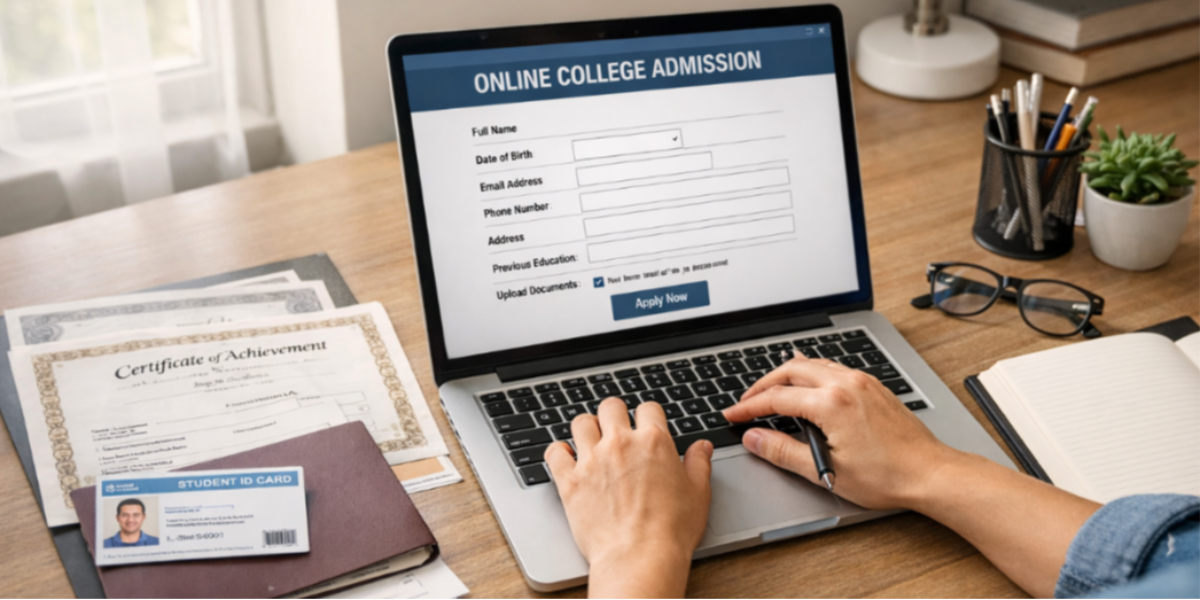
Students who are looking for quality education and academic guidance can explore the Admission process to learn more about academic opportunities and student development programs.
Conclusion
Social media has both positive and negative effects on students’ academic performance. When used wisely, it can become a powerful educational tool that supports learning and communication. However, excessive and careless use can reduce concentration, affect mental health, and lower academic results.
Students must learn to balance social media activities with their studies to achieve academic success. Educational institutions, teachers, and parents should also help students develop responsible digital habits for a better future.
Share on Social Media
Recommended For You




Readers Also Viewed These Articles
Categories
- Education
- General knowledge