


The Benefits of Project-Based Learning in College
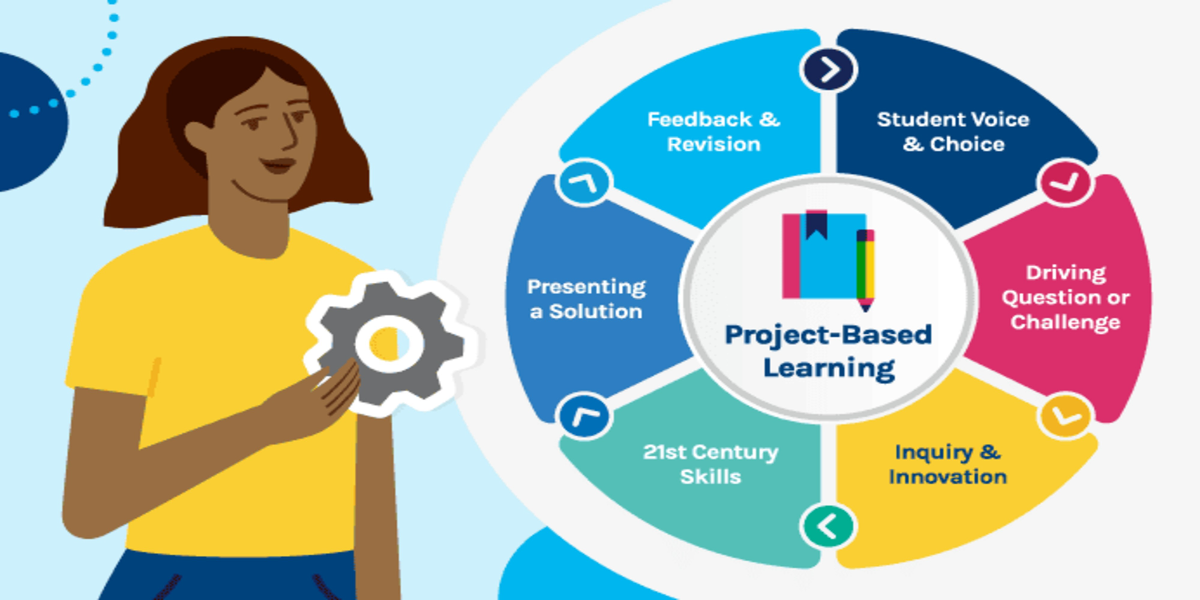
Modern education is evolving to focus more on practical knowledge and real-world skills. Institutions like Aliz College are adopting innovative teaching strategies to enhance student learning experiences. One of the most effective approaches is project-based learning, where students actively engage in real-life projects instead of relying solely on traditional lectures. This method helps students develop a deeper understanding of concepts while preparing them for future academic and professional challenges.
What is Project-Based Learning?
Project-based learning (PBL) is a teaching method in which students learn by working on projects over an extended period. These projects are designed to solve real-world problems or answer complex questions. Instead of memorizing information, students actively explore topics, conduct research, and present their findings, making learning more meaningful and engaging.
Enhancing Practical Knowledge
One of the key benefits of project-based learning is that it focuses on practical knowledge. Students apply theoretical concepts to real-life situations, which helps them understand subjects more effectively. This hands-on experience bridges the gap between classroom learning and real-world applications.
Developing Critical Thinking Skills
Project-based learning encourages students to think critically and analyze problems from different perspectives. They learn how to evaluate information, make decisions, and develop solutions. These skills are essential for academic success and are highly valued in professional environments.
Improving Collaboration and Teamwork
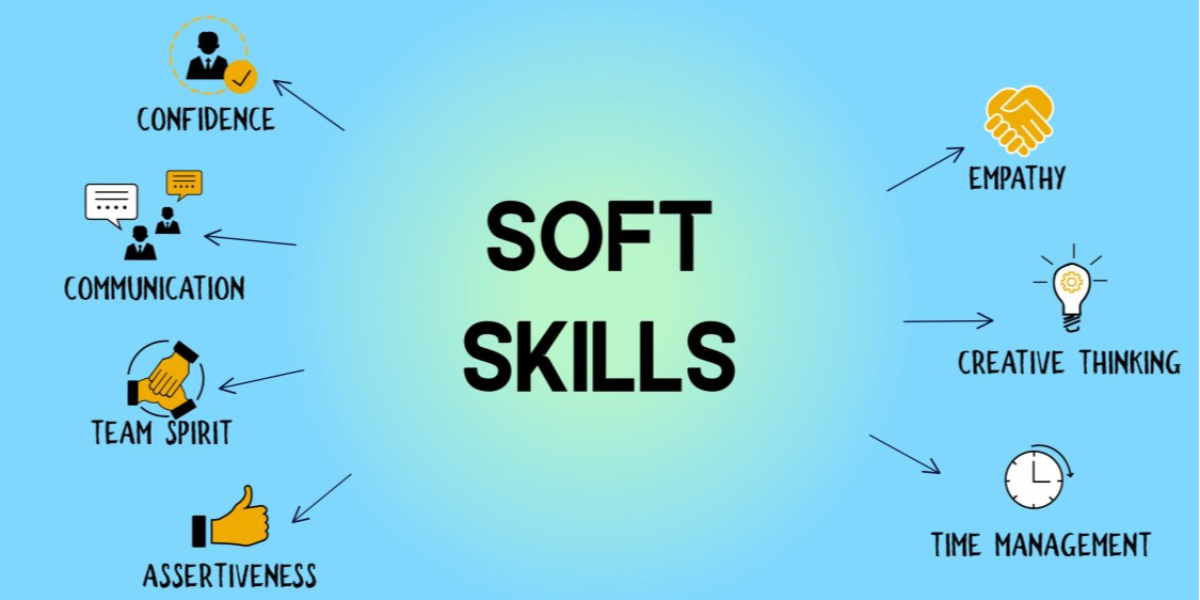
Working on projects often involves group activities, which help students develop teamwork and collaboration skills. They learn how to communicate effectively, share responsibilities, and work toward a common goal. These experiences prepare students for workplace environments where teamwork is essential.
Boosting Student Engagement and Motivation
Students are more engaged when they are actively involved in their learning process. Project-based learning makes education more interactive and interesting, which increases motivation and participation. Instead of passive learning, students become active contributors to their education.
Building Confidence and Communication Skills
Presenting projects and sharing ideas with others helps students build confidence and improve their communication skills. They learn how to express their thoughts clearly and defend their ideas effectively. How Extracurricular Activities Build Confidence is also closely related, as both approaches help students develop self-esteem and interpersonal skills.
Encouraging Creativity and Innovation
Project-based learning allows students to explore their creativity and think outside the box. They are encouraged to come up with innovative solutions and experiment with new ideas. This creative approach helps students become more adaptable and open-minded.
Preparing Students for Future Careers
By working on real-world projects, students gain valuable experience that prepares them for their future careers. They develop skills such as problem-solving, time management, and leadership, which are essential in any professional field. Employers often prefer candidates who have practical experience and the ability to apply knowledge effectively.
Conclusion
Project-based learning is a powerful educational approach that enhances student engagement, critical thinking, and practical knowledge. Institutions like Aliz College are embracing this method to provide students with a more dynamic and effective learning experience. By focusing on real-world applications and skill development, project-based learning prepares students for success in both academics and their future careers. For more insightful articles and educational updates, visit our blog section and stay connected with the latest trends in education.
Share on Social Media
Recommended For You
















Readers Also Viewed These Articles
Categories
- Education
- General knowledge