


How Digital Learning is Transforming Modern Classrooms

Digital learning has transformed the way education is delivered and experienced in modern classrooms. With rapid technological advancements, schools are adopting innovative tools and teaching methods to enhance student engagement and academic outcomes. Digital learning trends are reshaping traditional education by making learning more interactive, accessible, and personalized for students of all ages.
Integration of Smart Classroom Technologies
Modern classrooms are increasingly equipped with smart technologies such as interactive boards, digital displays, and multimedia learning tools. These technologies allow teachers to present lessons more engagingly and visually, helping students understand complex concepts with greater clarity. Smart classrooms encourage participation, collaboration, and real-time feedback, creating a dynamic learning environment.
Personalized Learning Through Digital Platforms
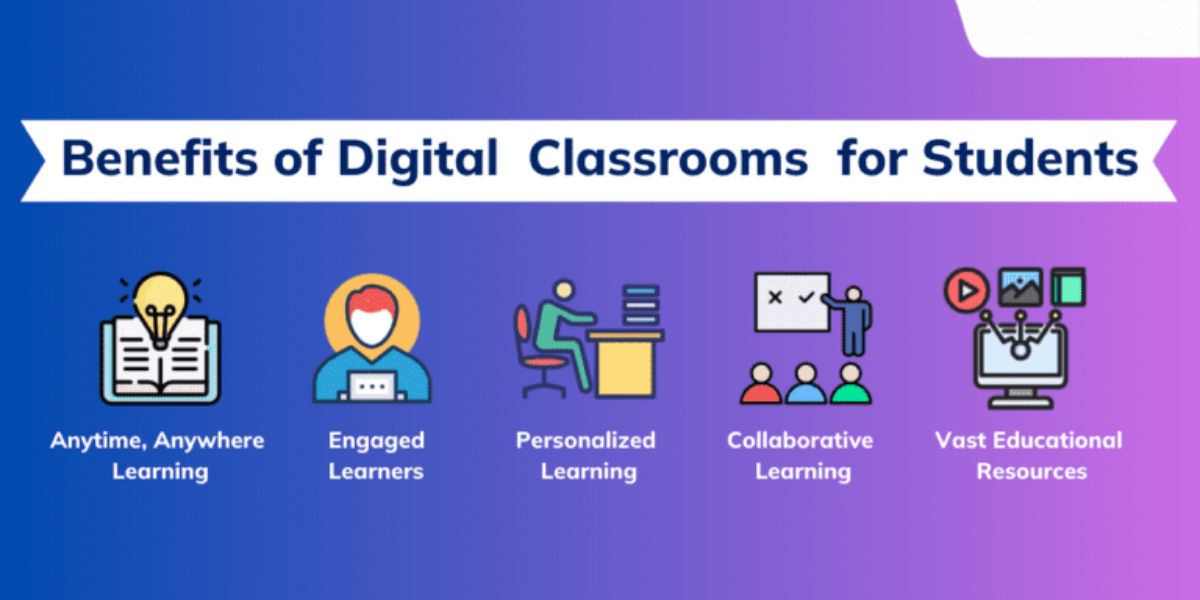
One of the most impactful digital learning trends is personalized education. Digital platforms enable teachers to tailor lessons according to individual student needs, learning pace, and academic strengths. Students can access learning materials, recorded lectures, and practice resources anytime, allowing them to revise concepts independently and build confidence in their studies.
Online Assessments and Continuous Feedback
Digital learning has simplified assessment methods by introducing online quizzes, assignments, and performance tracking systems. These tools provide instant feedback, helping students identify areas for improvement quickly. Teachers can monitor academic progress more effectively and adjust their teaching strategies to support student learning and academic growth.
Collaborative Learning and Virtual Classrooms
Digital learning encourages collaboration through virtual classrooms, discussion forums, and group projects. Students can work together on assignments, share ideas, and communicate effectively beyond physical classroom boundaries. This collaborative approach enhances communication skills, teamwork, and critical thinking, which are essential for academic and professional success.
Teacher Development and Digital Training
The shift toward digital learning has also emphasized the importance of teacher training. Educators are continuously upgrading their skills to effectively use digital tools and online teaching platforms. Well-trained teachers can integrate technology seamlessly into lessons, ensuring that digital learning supports educational objectives rather than replacing traditional teaching values.
Preparing Students for a Technology-Driven Future
Digital learning trends prepare students for a future where technology plays a central role in education and careers. By integrating digital tools into classrooms, schools help students develop essential skills such as digital literacy, problem-solving, and adaptability. Modern classrooms that embrace digital learning create future-ready learners who can thrive in an increasingly digital world.
Share on Social Media
Recommended For You













Readers Also Viewed These Articles
Categories
- Education
- General knowledge