


How College Can Improve Student Learning Outcomes

Improving student learning outcomes is one of the most important goals for any educational institution. Strong learning outcomes show that students understand concepts clearly, apply their knowledge effectively, and develop the skills needed for future success. Colleges in Pakistan can achieve better results by creating supportive environments, using modern teaching methods, and focusing on each student’s individual needs.
Creating an Engaging Classroom Environment
An engaging classroom provides students with the motivation to learn. When teachers use everyday-life examples, encourage discussion, and make lessons interactive, students become more interested in their studies. A positive environment helps them ask questions confidently, share ideas, and participate actively during lessons. This approach deepens understanding and strengthens classroom learning.
Focusing on Conceptual Understanding
Students achieve better learning outcomes when they understand the logic behind each topic rather than memorizing information. Teachers can support this by explaining concepts through visuals, real-life applications, and simple examples. When students connect lessons to practical situations, their critical thinking improves, and they retain knowledge for longer periods.
Encouraging Regular Assessment and Feedback
Assessment plays a key role in identifying students’ strengths and areas that need improvement. Short quizzes, oral tests, class activities, and assignments help teachers evaluate progress. Regular and constructive feedback guides students on how to improve. When feedback is clear and supportive, it motivates students to work harder and stay focused on their goals.
Supporting Teachers Through Professional Development
Teachers are the foundation of effective education. Continuous training, workshops, and skill-building programs help teachers learn new teaching methods and classroom strategies. When teachers stay updated with modern practices, they can better understand students’ learning styles and adapt their methods to suit their needs. Strong teacher training directly results in better performance from students.
Encouraging Parental Involvement
Parents play an essential role in supporting their children’s education. When colleges maintain open communication with parents, students benefit from consistent guidance at home and in the classroom. Regular parent-teacher meetings, progress updates, and counseling sessions help parents understand how to support their children’s learning habits and emotional well-being.
Using Technology to Enhance Learning
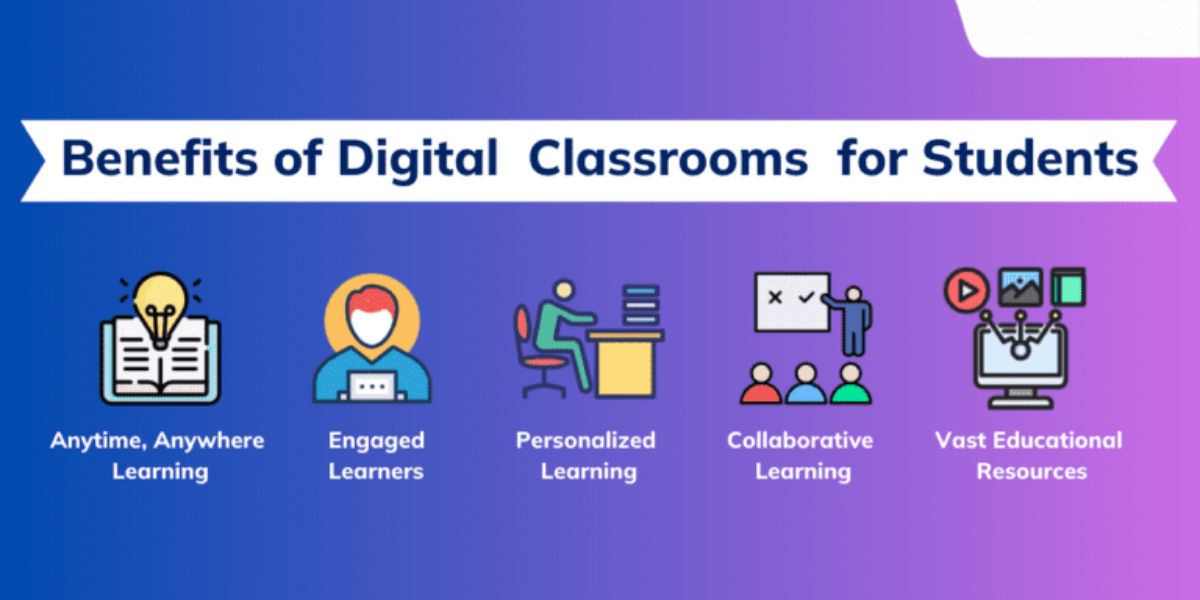
Modern classrooms can greatly improve learning outcomes by integrating digital tools. Educational apps, smart boards, online exercises, and multimedia presentations make lessons more interactive and easier to understand. Technology also provides students with additional learning resources, helping them revise topics at their own pace and develop stronger digital skills.
Building Strong Study Habits and Discipline
College can help students develop good study habits by teaching them time management, goal setting, and the importance of completing assignments on time. A disciplined learning routine creates consistency and builds confidence. When students develop these habits early, they perform better in exams and future studies.
Conclusion
Improving student learning outcomes requires a collective effort from teachers, parents, and College leadership. An engaging classroom environment, modern teaching strategies, and ongoing support for both students and teachers can transform the learning experience. When College prioritise quality education and student growth, they help shape confident, skilled, and successful learners prepared for a brighter future.
Share on Social Media
Recommended For You










Readers Also Viewed These Articles
Categories
- Education
- General knowledge